
Who Is Jason Duval? GTA 6 Character and Relationship Guide
Meet GTA 6 protagonist Jason Duval, organize his official background and connections, and follow a low-spoiler approach to understanding his role in the story.
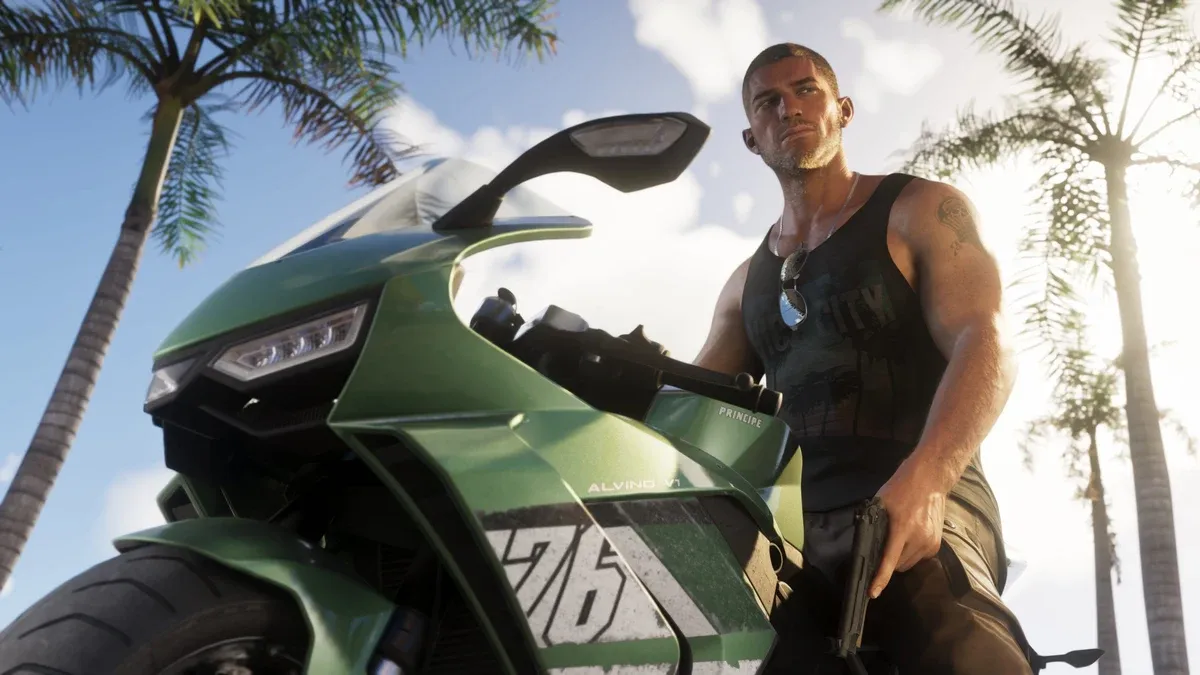
Who is Jason Duval?
Jason Duval is a central GTA 6 character. He served in the Army before moving to the Keys and working for local drug runners. Cal Hampton is his friend. Brian Heder provides him with rent-free housing in exchange for help with local shakedowns. These are the main background connections introduced in the official profiles. Official character profiles
To read his introduction clearly, separate three layers: what happened before the story, the people involved in his current situation, and the relationship at the centre of the plot. Mixing those layers can make an ordinary background detail look like an immediate mission objective.
How can you organize his background?
Use a short character notebook instead of trying to reconstruct a complete chronology from promotional editing. Give each note a purpose: background explains where someone is coming from; a current connection explains why another person is relevant; an event describes something that happens during the story.
| Layer | Useful question | How to record it |
|---|---|---|
| Background | What experience shapes the character? | A brief context note |
| Present situation | Who is connected to his everyday life? | A relationship, not a mission number |
| Current objective | What is he being asked to do now? | The actual instruction when playing |
| Change in a relationship | What new information alters your reading? | A dated or chapter-based note |
This approach leaves room for a character to behave differently in different situations. A military background, for example, is context to consider when interpreting a scene; it is not a published list of abilities or a guarantee about the controls.
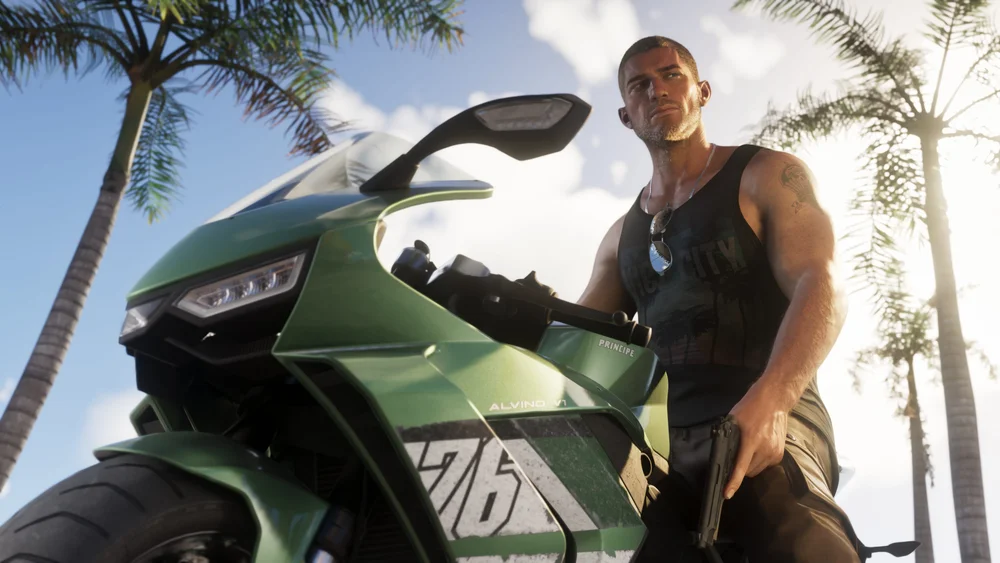
How should you understand his relationship with Lucia?
The official premise places Jason and Lucia together in the consequences of a job that goes wrong. Rockstar’s second trailer presents their dependence on each other as part of that story.
A useful way to follow their scenes is to ask what each person knows at that moment and what each wants from the immediate situation. Do not jump straight from a tense line to a prediction about the ending. A scene can establish trust, disagreement, or pressure without revealing the final outcome.
If you want fewer spoilers, keep your notes about the relationship at the level of the scene you have reached. Avoid reading every comment thread under a character clip: discussions often mix an observed moment, a fan theory, and a later plot claim in the same paragraph.
Which questions are useful when other characters appear?
Ask whether the person is a friend, a work connection, or someone newly introduced by the story. Then ask what the dialogue actually requests. A familiar name can provide context without making every interaction an optional activity or a permanent mechanic.
When playing, record names in the spelling shown by the game so you can search accurately later. If two people are discussed in the same conversation, write down who is asking for something and who is being discussed; that prevents an instruction from becoming attached to the wrong character.
For a difficult objective, switch from biography notes to the mission-reading guide. Character background helps explain a scene, but the current objective is the better starting point for deciding what to do next.
Does a trailer appearance reveal the playable order?
Not by itself. A trailer can cut between places and moments to establish mood or a relationship. When you take notes, avoid numbering those cuts as chapters. Keep “shown in this video” separate from “the next thing I will play.”
For a low-spoiler preparation session, read the official introduction, watch a trailer once, and stop before trying to solve every chronological question. The Lucia profile provides the companion view of the central relationship, while the region guide gives setting context without requiring a plot reconstruction.
How should you update your character notes while playing?
Keep one small section for people, one for your current objective, and one for unresolved questions. Add a new conclusion only when the story supplies a reason to change it. If you later revise an interpretation, keep the original scene reference instead of presenting the revised opinion as something that was clear from the start.
What should you read next?
Related Articles
guides
GTA 6 100% Completion Guide: Checklist and Cleanup Order
Organize GTA 6 100% completion with a category checklist, discovery targets, regional cleanup routes and a clear method for checking stalled progress.
guides
GTA 6 Best Beginner Settings: Controls, HUD, Audio and Units
Set up GTA 6 for a clearer first session: find settings, adjust controls and readability, turn menu narration on or off, change distance units and reset safely.
guides
GTA 6 Change Clothes: Wardrobe, Saved Outfits and Vehicle Storage
Change clothes in GTA 6, use a wardrobe, find clothing stores, save an outfit and prepare a vehicle change. Includes checks for missing clothes and rewards.
Was this helpful?
Thanks for the feedback!