
GTA6 Vehicle Guide: Choose Transport for the Job
Compare GTA6 transport by route, handling and purpose, with a clear distinction between official vehicle imagery and untested performance or acquisition claims.
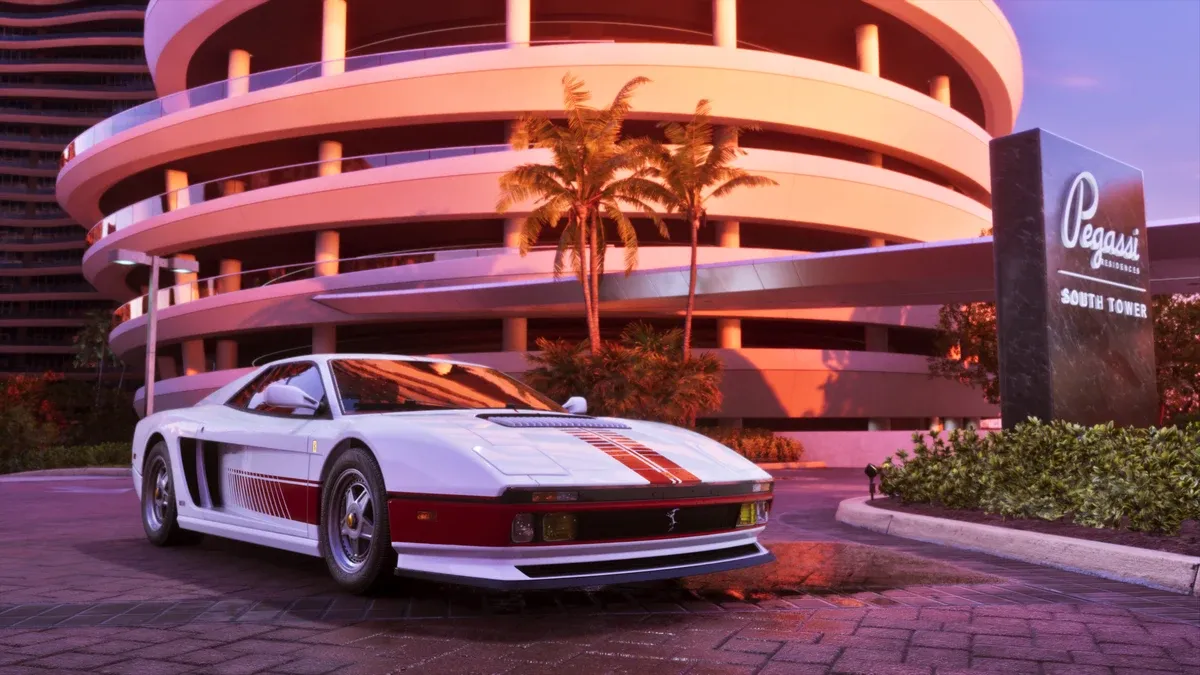
How should you choose a vehicle in GTA6?
Choose for your current journey rather than an unverified tier list. A useful vehicle is one you can control on the route you need, subject to the availability and mission restrictions actually set by the game.
What can official images tell you?
They show an appearance in a particular scene. They do not automatically confirm the final in-game name, handling values, price, storage rules, or availability in the edition you own. A familiar silhouette is an identification lead, not enough evidence to copy a GTA5 database entry.
Keep the source image and its accompanying wording in your notes. Separate a screenshot observation, a stated store entitlement, and a vehicle you have personally driven. These are different kinds of evidence.
Which qualities matter beyond top speed?
Match the comparison to a task. On unfamiliar streets, braking and seeing the next turn may matter more than maximum speed. On another route, stability or maneuvering space may be more relevant.
| Goal | What to compare | What not to assume |
|---|---|---|
| Learning a route | Visibility, braking, easy turning | Faster always means easier |
| Tight streets | Response and turning space | Size alone predicts handling |
| Longer journeys | Stability and holding a line | A trailer proves top speed |
| Mission travel | Actual seating and objective rules | Every pictured car is suitable |
| Water travel | Access, destination, usable stops | A visible boat is obtainable |
Use the map guide to record your route before judging the transport.
How can you compare handling fairly?
When the released game allows a comparison, use the same road and a similar starting point. Change one factor at a time. If one run includes traffic, a collision, or a missed turn, total journey times are not a clean comparison of the vehicles.
Record the route, starting point, surface, relevant weather, collisions, and what felt easier or harder. Keep subjective impressions separate from timings. “Easier for me to turn” is useful personal feedback, not a universal handling statistic.
Do not publish a fastest-vehicle ranking from one attempt. Repeated comparable runs and a clear method are necessary before presenting a measured conclusion.
Should you buy, modify, or keep a vehicle immediately?
First check whether the purchase, modification, or storage option exists for that vehicle at your current progress. Read the displayed terms and price. Do not assume that owned, borrowed, found, and mission-provided vehicles follow identical rules.
Before spending in-game resources, ask whether the choice solves a current problem and whether the upgrade description explains its effect. An expensive car is not automatically best for learning a route. The beginner guide helps keep your first session focused.
What if a mission needs different transport?
Follow the current objective and its conditions. Your favorite vehicle may not be eligible. Read the mission guide for objective-checking advice, and the weapons guide for a similar purpose-based equipment approach.
Related Articles
guides
GTA6 Beginner Guide: Launch Preparation and Your First Session
Prepare for GTA6 with platform checks, an installation checklist, spoiler controls and a practical plan for learning the game during your first session.
map
GTA6 Map Guide: Learn Leonida and Plan Your Exploration
Get familiar with official Leonida region names and use a practical note-taking method to explore locations without relying on unverified map coordinates.
missions
GTA6 Story Guide: Jason, Lucia and a Spoiler-Light Start
Understand the official GTA6 story setup and use a spoiler-light method to read mission objectives, prepare for a retry and keep track of progression.
Was this helpful?
Thanks for the feedback!